
For brands
The Perfect Add is the intelligence layer for the connected wardrobe.
Brands know what gets made. What gets marketed. What gets clicked. What gets purchased.
Then the garment enters a wardrobe.
And one of the most important parts of its life becomes largely invisible.
Was it worn?
How often?
What was it paired with?
Is it still in rotation?
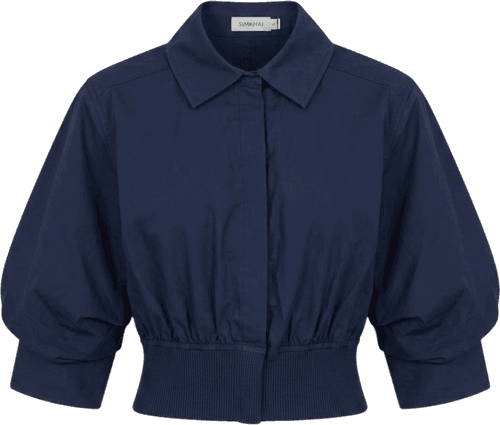
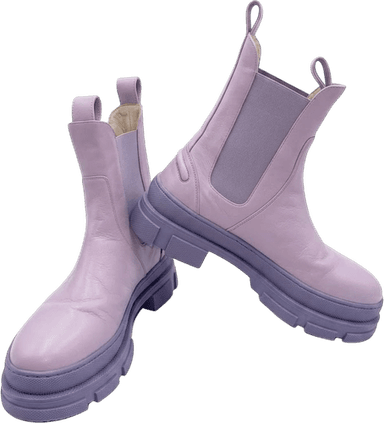
You know what sold. Discover how it is worn across its lifetime. See the story of your garments.
- Did it become a favorite?
- What was it worn with?
- Did it make other pieces more useful?
- Is it still in rotation?
- Was it repaired or resold?
- What does the wardrobe need next?
Two $900 jackets.
Jacket A
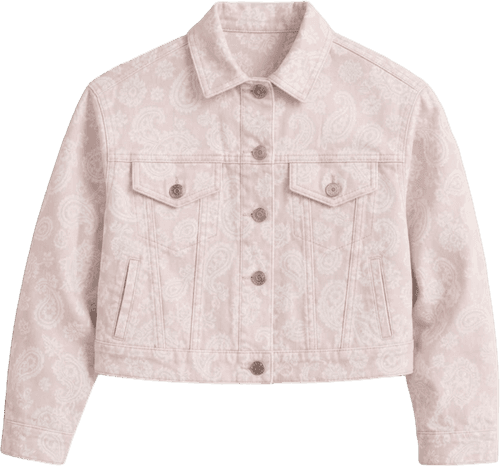
$900 · Sold ✓
Worn 2×
Jacket B
$900 · Sold ✓
Worn 31×
- 22 outfits
- 14 wardrobe connections
- 2 forgotten pieces brought back into rotation
- 1 repair
- Still worn 18 months later
An illustrative example
Jacket B, with its passport.
If the jacket carries a Digital Product Passport, we read it as it stands and set the wardrobe record beside it. The passport is never edited. The wardrobe never writes into it. And the wardrobe side is only ever a group: thousands of closets at once, never one.
Joined by the passport's own ID
id.gs1.org/01/09506000134352/21/A2B7X
GS1 Digital Link · ESPR data groups
The passport, as the brand states it
- Product
- Wool blazer, navy · 2025 collection
- Composition
- 80% virgin wool · 20% recycled polyamide
- Made in
- Woven in Biella · Sewn in Porto
- Care
- Dry clean · Spare buttons supplied
- Repair
- Repair service, 5 years
- End of life
- Take-back programme
Across 1,800 wardrobes that hold it
SIMULATEDGroup of 1,800 · indicative · Sept 2024 to Aug 2026
- First worn
- Median 5 days after purchase
- Worn
- Median 24× over 18 months
- Worn with
- Straight jeans 61% · white shirt 48% · loafers 37%
- Season
- Autumn 38% · spring 29% · winter 21% · summer 12%
- Repaired
- 9% used the passport's repair service
- At 18 months
- 71% still in rotation · 6% resold · 2% donated
Groups under 50 wardrobes return nothing at all. There is no per-wardrobe row to read; the shape of the data can only express a group.
The passport fields follow the ESPR data groups. Every wardrobe figure is simulated and says so; no real wear data exists yet.
A sale tells you it was bought.
Wardrobe intelligence tells you it was worn, paired, kept, and passed on.
What should your customer buy next?
The old question
People who bought this → also bought this
A better question
What do they already own → what would actually add value?
Buy
One piece unlocks seven outfits.
Wear
They already own it.
Repair
Bring something back into rotation.
Resale
Something is ready for its next life.
Sometimes the perfect add isn't another purchase.
Once you know what's already in the wardrobe, the next recommendation gets a lot smarter.
Your product goes home with everything else they own.
A wardrobe might hold luxury, vintage, high street, resale, rental, pieces loved for fifteen years, and something bought yesterday.
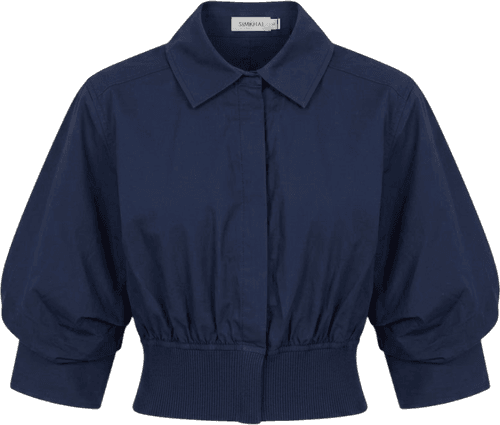
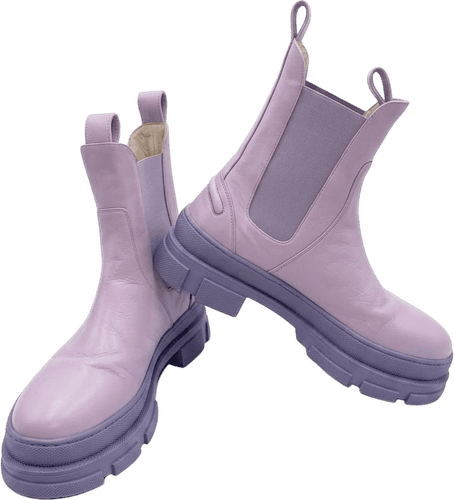
A brand sees its product.
A retailer sees the transaction.
A resale platform sees the next sale.
The wardrobe sees how it all lives together.
The wardrobe is the unit of intelligence.
The product story doesn't end at checkout.
A garment can have a life across outfits, seasons and even owners. The Perfect Add can connect that story as it unfolds.
Already have Digital Product Passports? Good.
If it's a GS1 Digital Link, we can read it today. Other passports can come with us when their data is openly readable. And the things bought years before DPPs existed? They belong here too.
- ✓ Read GS1 Digital Links today
- ✓ Use open, structured passport data when it's available
- ✓ Bring products without passports into the same wardrobe
- ✓ Preserve the original product record
- ✓ Keep the wear layer separate
The passport holds the product story. The Perfect Add connects it to the human one.
See the connected wardrobe readout- Their wardrobe. Their choice.
- Permission-based.
- Aggregated for brands.
- No individual closet access.
A place at the table, by invitation.
The Perfect Add is opening the wardrobe view to a chosen group of Founding Brands, selected for the pieces people keep and wear. If you are reading this, yours is one of them.
See your products beyond checkout.
Watch what your pieces do once they enter the wardrobe: worn, paired, kept, passed on.
The first view of the after-sale.
Founding Brands see the wardrobe view before anyone else, on their own pieces, in their own format.
A seat that stays.
Founding Brands keep their standing as the view grows: first access, first say, first credit.
You already know what they bought.
Now see what earned a place in their wardrobe.
Accept the Founding Brand invitationPlaces are limited to a chosen group of fashion brands.